
Can luck really influence your casino outcomes?
Last Updated on 1 September, 2026 by admin
The Nature of Luck in Gambling
Luck, often regarded as an unpredictable force, plays a multifaceted role in gambling, particularly within the vibrant atmosphere of casinos. Players frequently attribute their wins and losses to luck, convinced it can sway the outcomes of various games such as slots, poker, and roulette. This randomness inherent in casino games fosters a setting where chance significantly influences results, especially when playing online pokies that offer unique experiences. Luck, by its very definition, is erratic; players may experience streaks of good fortune, but these instances do not ensure future success. Understanding the nature of luck is vital for players to manage their expectations while engaging in the thrilling world of casino games.
While many gamblers hold a firm belief in luck, numerous factors contribute to the outcomes of casino games. These include the specific rules governing each game, the skills of the players involved, the strategies they employ, and even psychological elements at play. For instance, in poker, while luck influences the initial hands dealt, skilled players can manipulate the outcome through their strategic decisions and gameplay. Thus, ascribing outcomes solely to luck overlooks the intricate dynamics that define casino gaming, where skill and chance coexist.
Moreover, the perception of luck varies dramatically among individuals. Some gamblers carry “lucky” charms or engage in rituals they believe enhance their chances of winning, while others adopt a more analytical and strategic approach. This psychological aspect is pivotal in shaping players’ experiences in casinos, illustrating how one’s belief in luck can influence behavior and betting patterns. Ultimately, while luck undeniably plays a role in the gambling landscape, it collaborates with skill and strategy to determine the outcomes of casino games.
The Role of Randomness and Probability
At the core of all casino games lies the principle of randomness, a fundamental aspect that dictates the outcomes of each game. Most casino games are structured around probability, ensuring that results remain entirely random and unforeseeable. For example, in games like slot machines, outcomes are determined by a random number generator (RNG), creating a situation where luck becomes the only factor that can influence results. This randomness is essential for preserving fairness and integrity within gaming environments, allowing players to engage without fear of manipulation.
Understanding probability theory provides valuable insights into the likelihood of various events occurring, empowering players to make informed decisions. Knowing the odds of winning on a specific game can lead to smarter betting choices, potentially reducing the reliance on luck in a player’s overall performance. For instance, in blackjack, grasping basic strategies and the probabilities associated with card outcomes can significantly enhance a player’s chances of winning compared to those who rely solely on luck. Such informed decision-making can lead to a more enjoyable and potentially profitable gambling experience.
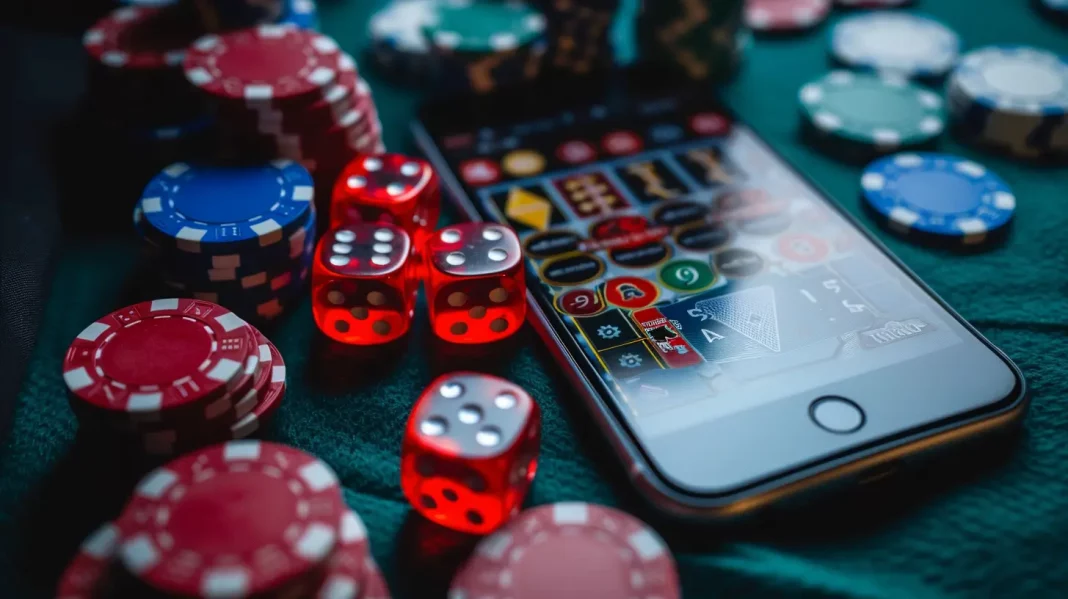
However, the allure of luck often diminishes the importance of grasping underlying probabilities in casino games. Enthralled by the idea of lucky streaks, players may overlook strategic thinking’s potential in their gameplay. By acknowledging that while luck is a factor, informed decisions based on probability can lead to a more favorable outcome, players can enhance their enjoyment and success in the casino environment. This balance between luck and strategic play offers a richer understanding of the gambling experience.
Psychological Influences on Perception of Luck
The psychology of gambling is deeply intertwined with beliefs about luck. Many players cultivate superstitions or rituals, convinced they can sway outcomes in their favor. These behaviors might include wearing specific clothing, adopting particular betting patterns, or even avoiding certain numbers or games. Such psychological manipulations create a sense of control over one’s fortune, resulting in heightened excitement and engagement during gambling sessions, even when the outcomes remain fundamentally random.
Cognitive biases, such as the gambler’s fallacy, can further distort a player’s understanding of luck in gambling. This fallacy leads individuals to believe that previous outcomes influence future results in games of chance, often leading to misguided betting strategies. For instance, a player might assume that a slot machine that hasn’t paid out recently is “due” for a win. This flawed logic can prompt increased bets and subsequent losses, reinforcing a misguided belief in luck rather than a rational approach grounded in probability.
Recognizing these psychological influences can empower gamblers to maintain a balanced mindset while playing. Acknowledging that luck can fluctuate and understanding its limitations can foster more responsible gambling habits. By encouraging self-awareness, players are better equipped to navigate the casino environment, mitigating the emotional highs and lows that accompany luck. This approach allows them to engage in gambling primarily for enjoyment rather than solely for the pursuit of winning, leading to a healthier relationship with gambling.
Strategies to Enhance Your Odds
While luck is an inherent aspect of gambling, players can adopt various strategies to improve their odds and lessen their dependence on fortune. One effective approach is to focus on games that require skill and strategy, such as poker and blackjack, where informed decisions significantly influence outcomes. By dedicating time to learning the intricacies of these games, players can enhance their understanding of probabilities and develop techniques that maximize their chances of success, thus transforming their gambling experience into a more strategic endeavor.
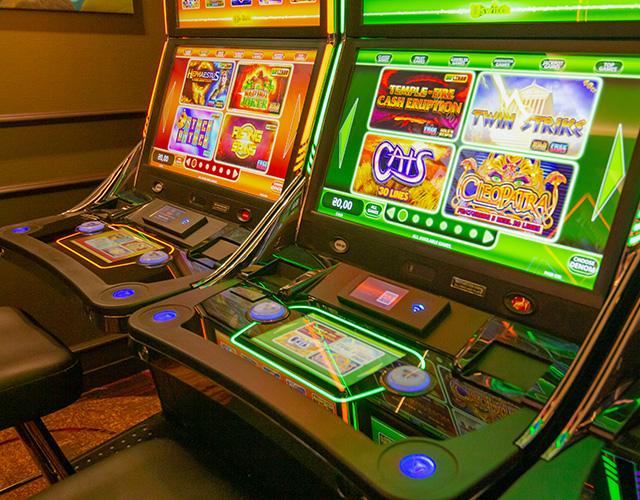
Additionally, managing one’s bankroll is crucial for creating a sustainable gambling experience. Setting limits on how much money to wager prevents the damaging effects of losing streaks and alleviates the emotional turmoil that often accompanies gambling. Practicing discipline and adhering to predefined financial boundaries allows players to savor the thrill of the casino while avoiding the pitfalls associated with an overreliance on luck. This method not only promotes responsible gambling but also enhances long-term enjoyment.
Furthermore, observing gameplay and learning from seasoned players can provide valuable insights into effective strategies. Many casinos offer resources and guidance for novice players, making it easier to transition from casual gambling to a more strategic approach. By embracing both skill and luck, players can cultivate a more holistic experience in the casino, merging enjoyment with a reasonable approach to odds and outcomes. This balanced strategy fosters a deeper appreciation for the games and increases the likelihood of a satisfying gaming experience.
Exploring Resources and Communities
As the gambling landscape continues to evolve, numerous resources and communities are available for those keen on understanding the complex interplay between luck and skill in casino games. Online forums, blogs, and social media platforms host vibrant discussions where players share their experiences, tips, and strategies, creating an engaging environment for those looking to enhance their knowledge. Participating in these communities can provide insights into various games while fostering a greater appreciation for the dynamics that influence outcomes.
Moreover, specialized websites dedicated to educating players about responsible gambling practices and the psychological elements associated with luck and skill in casinos abound. These platforms often feature articles, videos, and expert advice to help gamblers navigate the complexities of gambling without sacrificing enjoyment. By emphasizing informed decision-making and self-awareness, these resources empower players to embrace the unpredictable nature of luck while remaining anchored in strategic thinking.
In conclusion, grasping the relationship between luck and skill is essential for anyone engaging in casino gaming. By leveraging available resources and participating in vibrant communities, players can enhance their overall experience, gaining valuable knowledge and a deeper connection to the games they cherish. As players explore these avenues, they become better equipped to appreciate the thrill of gambling, striking a balance between the enchantment of luck and the principles of strategic play, ultimately leading to a more fulfilling gaming experience.
