

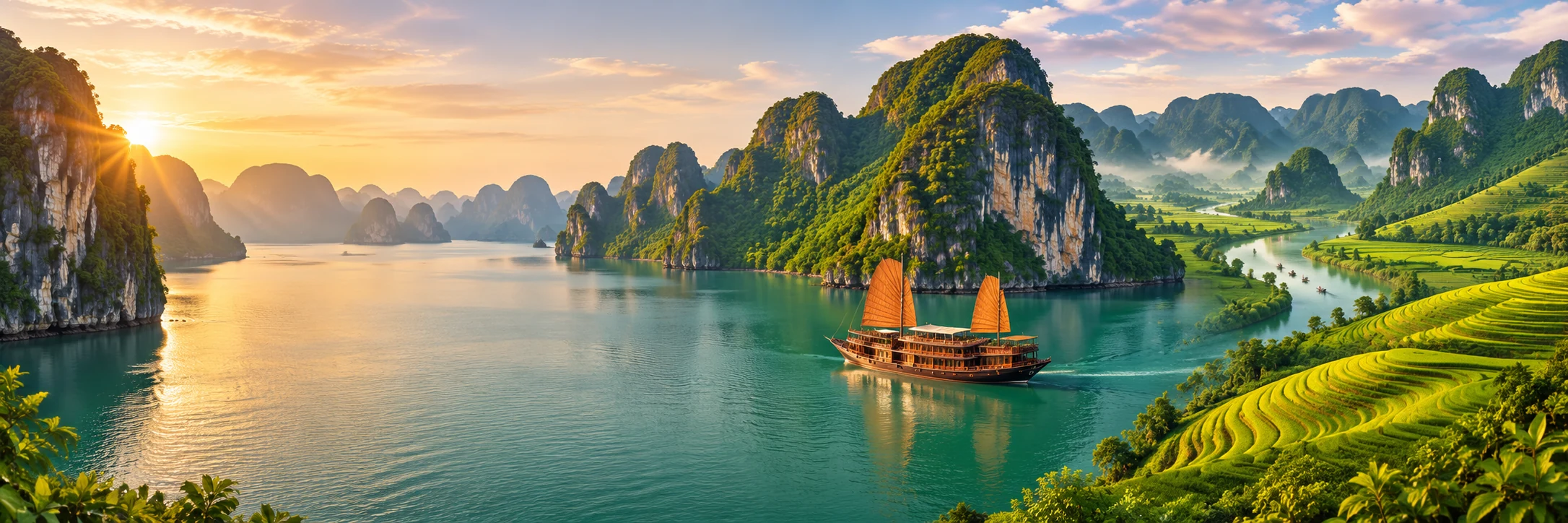
Is Pleiku worth visiting? Yes, if you want volcanic lakes, highland scenery and Jrai and Bahnar cultural heritage beyond Vietnam’s coast. Spend one day in Pleiku and at Bien Ho (T’Nung Lake), two days to add Chu Dang Ya Volcano, or three or four days for a prearranged community or nature experience. The highlands are best explored at a deliberate pace, not as a race around the enlarged province.
This Pleiku and Gia Lai Highlands travel guide helps you choose sights, seasons and realistic routes. It also explains why the 2025 merger with Binh Dinh does not make Quy Nhon beaches part of the Pleiku city area, and why UNESCO heritage and protected-forest access need careful interpretation.
Where Is Pleiku in Gia Lai After the 2025 Merger?
Gia Lai and former Binh Dinh merged on 1 July 2025, forming a larger province named Gia Lai with its administrative centre in the Quy Nhon area, according to the Government of Vietnam. Pleiku remains the principal highland city and a practical base for T’Nung Lake and Chu Dang Ya.
Sharing one province name does not mean the coast and plateau sit beside each other. The national tourism authority promotes Gia Lai’s “Mountains Embrace the Sea” tourism route, but travelling between Quy Nhon and Pleiku still requires a separate winding-road transfer. Book hotels by their actual city and location, not just “Gia Lai”.
Haivenu’s Quy Nhon travel guide already covers beaches, Eo Gio and Cham towers. This guide covers the volcanic highlands, lakes and living communities around Pleiku. A split stay can work well when you have enough days and want both coast and highlands.
Best Things to Do in Pleiku and the Gia Lai Highlands
| Interest | Choose | Key trade-off |
|---|---|---|
| Quiet lakes and scenery | Bien Ho / T’Nung Lake | Weather, viewpoint access and walking conditions |
| Volcanic landscape and wildflowers | Chu Dang Ya Volcano | Seasonal flowers, cultivated land and muddy tracks |
| Living cultural heritage | Invited Jrai or Bahnar community visit | Consent, interpretation and community availability |
| Forest conservation | Kon Ka Kinh or approved Kon Ha Nung activity | Protected-area permission and physical effort |
| Gentle city time | Pleiku cafes and local cuisine | Less nature, easier weather alternative |
| Contrast with the ocean | Quy Nhon coast after Pleiku | Another full road transfer and different weather |
The useful question is which two or three experiences suit your group. A family with limited time may prefer a lake, a food stop and volcanic views; a keen naturalist needs extra time and an approved guide.
Bien Ho (T’Nung Lake): The “Eyes of Pleiku”
Bien Ho or T’Nung Lake occupies a volcanic crater and is surrounded by pine-lined scenery. The Vietnam Tourism guide describes its crater origins and nickname, the “Eyes of Pleiku”. It is an accessible landscape goal for many visitors, though not every viewpoint is necessarily open or step-free.
Allow time for one permitted lake viewpoint and a short walk rather than inventing a complicated boating schedule. Ask a local driver about current access, rain and any maintenance closures. Never assume that lake swimming, boating or crossing into planted areas is allowed. On hazy or wet mornings, a city cafe and a later viewpoint may make more sense.
Travellers with knee or mobility concerns should request a route with minimal steps and reliable transport to the viewing area. A peaceful highland morning can be rewarding without a strenuous hike.
Chu Dang Ya Volcano: Volcanic Fields and Wild Sunflowers
Chu Dang Ya is an extinct volcanic landform with fertile basalt soil, farming plots and changing colours across the year. Vietnam Tourism notes that its slopes are covered at different times by local crops or yellow wild sunflowers. It is not an active volcano or a formal theme park with guaranteed walkways.
Many visitors can appreciate the landscape from approved lower viewpoints rather than climbing an exposed or muddy slope. Check the route, current weather and landowner permissions. Do not damage crops, pick flowers or use drones without confirming the rules. An independent 2026 destination guide also describes how rain can make approaches slippery; current conditions still need checking locally.
2026 Wild Sunflower and Gong Festival: Confirmed Dates
The Gia Lai Gong Culture Festival – Wild Sunflower Week – Chu Dang Ya Volcano 2026 was officially scheduled for 30 October to 8 November 2026, around Pleiku, Bien Ho and nearby communities. The Government news portal announcement of 20 October 2026 confirms the dates. Do not assume the same activities or dates will recur in 2027.
Flower timing varies with the season, too. If this year’s event has finished, the volcanic landscape remains a worthwhile outing; a future festival programme should only be added after a new official announcement.
Jrai and Bahnar Communities: Culture With Consent
The Jrai and Bahnar communities maintain rich traditions of agriculture, weaving, communal life and distinctive rong houses, known for tall roofs. A communal house is a real community space, not an always-open attraction. If travellers want a village visit, arrange it with a willing host, a local interpreter and fair compensation.
UNESCO inscribed the Space of Gong Culture in the Central Highlands on its Representative List of the Intangible Cultural Heritage of Humanity in 2008, after a 2005 proclamation. The UNESCO record documents the place of gong music in community ceremonies and spiritual life. That does not make a village a UNESCO World Heritage Site or create a daily gong show for tourists.
Always ask before photographing people or entering houses and sacred spaces. A community-chosen cultural presentation can be meaningful, but private rituals should not be staged on demand. For guidance on consent and respectful photography, read Haivenu’s village visit guide.
For a simple alternative, explore Pleiku’s cafes, markets and food. The national tourism guide highlights pho kho (two-bowl dry noodles) and highland coffee. Ask about ingredients and allergies; an ordinary meal can give a better sense of daily life than a hurried, uninvited village stop.
Kon Ka Kinh: A Protected Forest, Not an Easy City Walk
UNESCO’s Kon Ha Nung Highland Biosphere Reserve was designated in 2021 under the Man and the Biosphere Programme. Its core areas include Kon Ka Kinh National Park and Kon Chu Rang Nature Reserve. The UNESCO listing describes habitat for rare wildlife, including the critically endangered grey-shanked douc.
A UNESCO Biosphere Reserve is not a UNESCO World Heritage Site or a general-access walking park. Confirm the specific legal visitor route, ranger or guide, trail length, weather, transport and cancellation conditions directly with the relevant managing authority. Protected forests have conservation zones and may restrict independent trekking or overnight access.
Wildlife observation is uncertain. Never promise a grey-shanked douc sighting, approach animals, feed them or demand that guides take you off permitted paths. On a rainy day, a city cultural visit or Bien Ho viewpoint is a better option than an unapproved forest hike. Haivenu’s ethical wildlife guide explains how to question operators.
Best Time to Visit Pleiku and Chu Dang Ya
The Pleiku plateau is generally drier from November to March, which Vietnam Tourism recommends for outdoor travel. Wild sunflowers and coffee blossoms depend on actual rainfall and crop cycles, so month-by-month photographs cannot guarantee what a visitor will see. Wet months can turn volcanic farm tracks and forest trails slippery.
| Period | Good for | Caution |
|---|---|---|
| November–March | Lake and volcano viewpoints; outdoor sightseeing | Variable blooms and cool mornings |
| April–May | Flexible city and rural visits | Heat and rain-transition weather |
| June–October | Green scenery and indoor cultural alternatives | Rain, muddy trails and restricted forest access |
For a coast-plus-highlands itinerary, check the sea conditions near Quy Nhon separately. The plateau’s good hiking weather does not establish whether a boat or beach day will operate. See Haivenu’s weather-by-region guide.
One-, Two-, Three- and Four-Day Pleiku Itineraries
These are editorial examples, not confirmed Haivenu departures. Real transfers, host consent and park permissions come before itinerary promises.
| Trip length | Suggested structure |
|---|---|
| 1 day | Pleiku food and one Bien Ho viewpoint |
| 2 days / 1 night | Lake and city culture, then Chu Dang Ya landscape |
| 3 days / 2 nights | Two-day core plus an invited Jrai/Bahnar community experience |
| 4 days or longer | Three-day core plus an approved forest activity or onward coastal transfer |
A two-day first visit
Day 1: check in at Pleiku, visit a permitted Bien Ho viewpoint, taste local food and enjoy a city evening. Day 2: travel to the Chu Dang Ya area when access is suitable, with time to appreciate the farming landscape and return comfortably. A lower viewpoint may be enough if your group does not want steep walking.
Extra days for living culture and conservation
Day 3 can focus on a prearranged community visit with a willing host, or additional lake and food stops. Only add Kon Ka Kinh as a separate nature day if a legitimate operator confirms permits, fitness requirements and weather. Otherwise, travel onwards to the coastal side of Gia Lai or another highland destination.
Getting to Pleiku and Linking the Coast
Pleiku Airport is a convenient regional arrival point, subject to current domestic schedules. The road link to Quy Nhon crosses between plateau and coast, so allow its own transfer day or substantial time buffer. Check your actual hotel address, road conditions, vehicle, driver’s rest and any sensitivity to mountain roads rather than relying on a province-wide driving estimate.
Families and travellers with limited mobility should ask about lake-viewpoint stairs, volcanic tracks, community house access, suitable vehicles and indoor alternatives. Haivenu’s transfer-planning guide and accessible Vietnam trip checklist can help with the details.
Haivenu Private Tours That Travel Through Pleiku
Two current published Haivenu routes connect with this area. The 15-Day Offbeat Vietnam Tour: Pu Luong, Kon Tum & Yok Don flies into Pleiku before its Kon Tum-region section. The 15-Day Vietnam Culture & Nature Tour: Pu Luong to Con Dao describes travelling through Pleiku between Lak Lake and the Kon Tum region. These are verified route links, not confirmation that T’Nung Lake, Chu Dang Ya or Kon Ka Kinh is included.
For a longer Pleiku stay or a Quy Nhon–highlands combination, visit tailor-made Vietnam tours or Plan My Trip with dates, party size, start/end city, scenery or cultural priorities, walking needs, preferred accommodation and budget. Haivenu can then verify guides, road routes and park or community access before making a proposal. An enquiry is not a confirmed booking.
Frequently Asked Questions
How long should I spend in Pleiku?
Two days covers Bien Ho and Chu Dang Ya at a comfortable pace. A third day suits an invited cultural visit; add a fourth for approved conservation activities or transfer flexibility.
Is Pleiku the provincial capital in 2026?
No. After the 2025 Gia Lai–Binh Dinh merger, the new provincial administrative centre is in Quy Nhon. Pleiku remains the highland travel base.
When do Chu Dang Ya wild sunflowers bloom?
Often in late autumn, but the timing varies. The 2026 gong and wild sunflower festival ran 30 October–8 November; later festival dates need official confirmation.
Can I attend a Jrai or Bahnar gong performance any day?
No. Gong culture is living UNESCO intangible heritage; arrange an invited, community-approved programme rather than expecting ceremonies on demand.
Is Kon Ka Kinh a UNESCO World Heritage Site?
No. It is a national park within the Kon Ha Nung UNESCO Biosphere Reserve, designated in 2021. Confirm protected-area access before visiting.
Can Pleiku and Quy Nhon be combined?
Yes, on a multi-day mountain-to-sea route. Their landscapes, attractions and weather differ; allow a proper transfer and separate sightseeing time.
Pleiku works best with one highland lake, one volcanic landscape and cultural experiences chosen with local consent. Respect forest access rules and ask Haivenu for a date-specific private route when your priorities are clear.